
*All sixteen ingredients are individually clinically researched and precisely dosed. Two ingredients here, Lion's Mane and pterostilbene, sit below the doses used in the human trials we cite because they're contributors to the neuroplasticity pathway, not the centerpiece, calibrated for maximum synergistic response within our formula.*
The Science & Ingredients
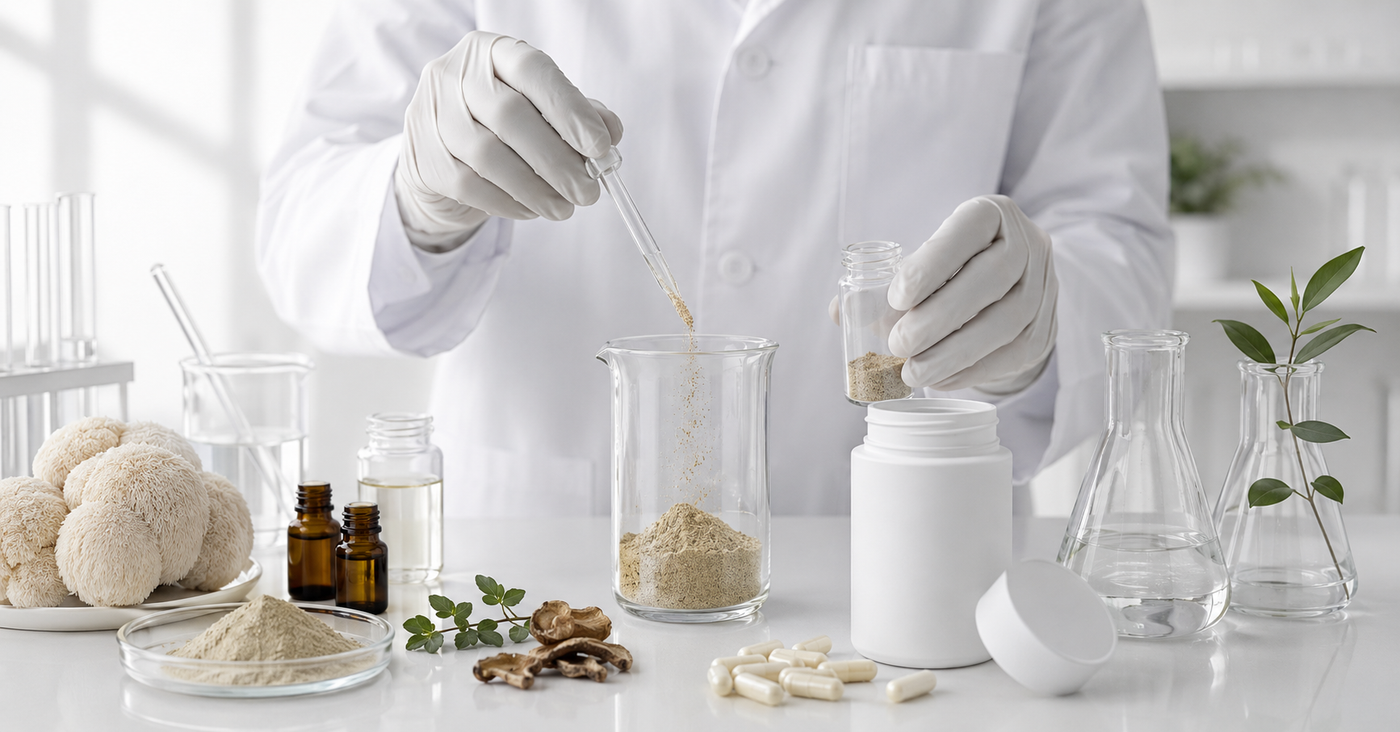
What are Nootropics?
Natural nootropics are herbs, plant extracts, and bioactive compounds with centuries of traditional use, validated through a growing body of modern clinical research. They represent a science-supported approach to strengthening focus, memory, mental clarity, and stress resilience. Now, as cognitive pressure on the modern mind reaches new heights, they've become one of the most utilized tools in human performance.
Nootropics act through multi-mechanism pathways that collectively drive mental acuity
Neuroplasticity & Protection
Targeted compounds counter oxidative stress while stimulating NGF and BDNF (proteins essential to memory, learning, and neural growth)
Cerebral Blood Flow
Certain compounds promote vasodilation and oxygen delivery to neural tissue, sharpening processing speed and sustaining mental energy
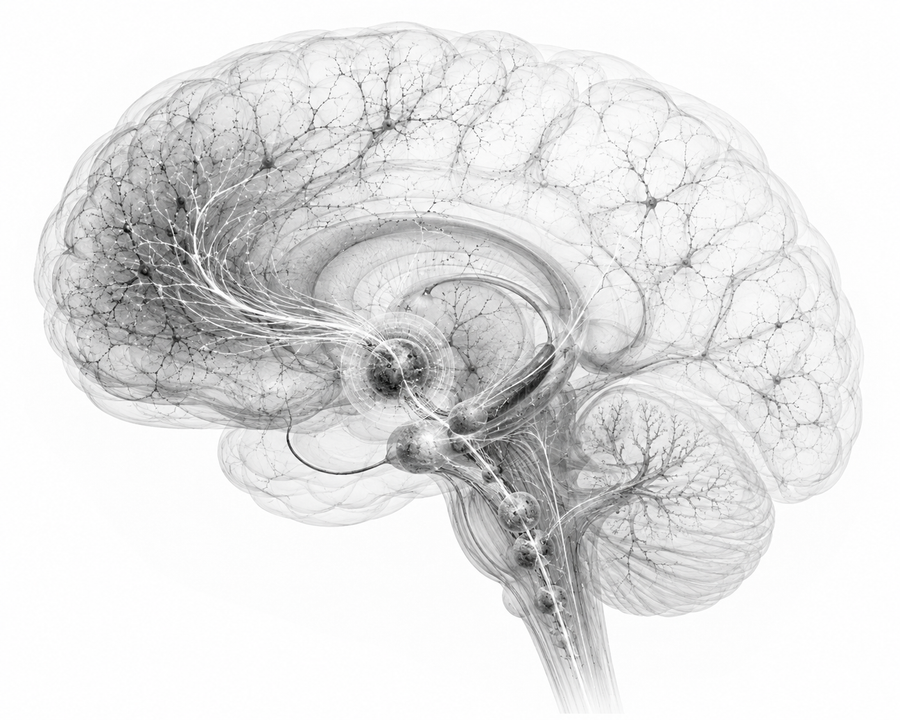

Cortisol & Stress Regulation
Elevated cortisol suppresses hippocampal function; nootropics modulate the HPA axis to regulate the body's stress response as it's source
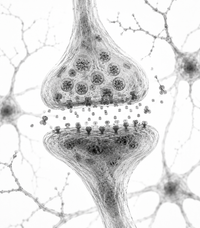
Neurotransmitter Optimization
Regulate the production, release, and synaptic signaling of acetylcholine, dopamine, and serotonin.
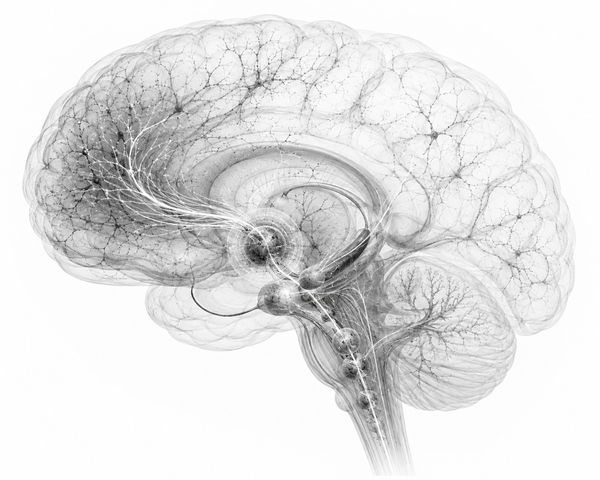
Our Formula: 16 Precision Ingredients Working Across Every Cognitive System
MENTAL EDGE
What it is: A highly bioavailable form of alpha-glycerylphosphorylcholine, a natural choline donor that efficiently crosses the blood-brain barrier and raises central acetylcholine.
How it works: Acetylcholine is the neurotransmitter governing attention, learning, and memory formation. Alpha-GPC increases synaptic acetylcholine availability, sharpening attention and improving the speed and accuracy of cognitive retrieval under pressure. It works synergistically with Huperzine A, which extends acetylcholine duration, and Uridine Monophosphate, which provides the structural substrate for synaptic membranes. This creates a complete cholinergic pathway: Alpha-GPC raises supply, Huperzine A extends availability, and Uridine builds the membrane architecture. It also pairs with Lion's Mane to strengthen the synaptic connections that acetylcholine signals are encoding. Research demonstrates significant increases in sustained focus and motivation within two weeks, without anxiety or central nervous system overstimulation.
What it is: A naturally occurring alkaloid that acts as a selective acetylcholinesterase inhibitor—slowing the enzyme that clears acetylcholine from synapses.
How it works: By extending acetylcholine duration, Huperzine A amplifies the cholinergic signaling that Alpha-GPC supplies, producing sharper attention and faster cognitive retrieval, particularly during complex problem-solving tasks. With Alpha-GPC creating cholinergic supply and Huperzine A extending its duration, you achieve both increased signal strength and extended persistence. Uridine provides the synaptic membrane infrastructure where this extended signaling occurs, creating a three-layer system—supply, duration, and structural foundation—that outperforms single-ingredient approaches. The dose is deliberately precise: higher cholinergic pressure does not improve outcomes.
What it is: A nucleotide precursor that your cells use to synthesize phospholipids—the structural fats that compose neural cell membranes and synapses.
How it works: Uridine is the rate-limiting input to the metabolic pathway neurons use to build phosphatidylcholine, the primary lipid in synaptic membranes. This supports the physical architecture where acetylcholine receptors and neurotransmitter signaling occur. Without adequate membrane phospholipids, even with high neurotransmitter availability, signal transduction becomes inefficient. Uridine directly complements Alpha-GPC and Huperzine A—while those ingredients optimize acetylcholine supply and duration, Uridine builds and maintains the synaptic membranes where this signaling happens. It also synergizes with Lion's Mane, which stimulates synaptic growth and repair that Uridine's membrane-building mechanism supports. The mechanism is well-characterized: Uridine provides the structural prerequisite for the cholinergic system to function optimally.
STRESS REGULATION
What it is: An amino acid that modulates brain wave activity and neurotransmitter signaling—specifically GABA and glutamate balance.
How it works: L-Theanine promotes alpha-wave brain activity (associated with calm focus) and modulates glutamate signaling, producing sustained alertness without physical arousal or anxiety. This is why green tea feels different from coffee—focused attention without the jittery edge. It works with Rhodiola as a complementary stress regulation pathway, addressing the neurotransmitter state that produces calm clarity. It also synergizes with Zembrin to create emotional steadiness from multiple angles and pairs with NALT to allow dopamine-driven motivation without the anxiety sometimes associated with elevated catecholamines. At this precise dose, research shows improved verbal fluency, executive function, and sleep quality in healthy adults—a rare combination where enhanced cognition doesn't disrupt recovery.
What it is: An adaptogenic plant extract containing rosavins and salidrosides, compounds that modulate the stress response system rather than suppressing or stimulating it.
How it works: Rhodiola supports consistent mental performance across demanding days by stabilizing stress signaling and maintaining the neurochemical balance that supports focus during sustained pressure, while preserving the ability to recover after intense work without artificial stimulation or sedation. It pairs with L-Theanine to create a two-layer stress regulation system. While L-Theanine modulates neurotransmitter balance at the local level, Rhodiola regulates the HPA axis at the systemic level, addressing stress response from both neurochemical and hormonal angles. It also synergizes with NALT and Saffron by helping maintain stable dopamine and serotonin tone despite cortisol fluctuations. Research demonstrates significant improvements in mental clarity and sustained cognitive performance, including under conditions of sustained pressure and challenging work environments.
What it is: A patented, clinically standardized extract containing alkaloids that work through two mechanisms: serotonin reuptake modulation and PDE-4 inhibition (which enhances neuronal signaling pathways involved in learning).
How it works: Zembrin modulates emotional reactivity while simultaneously maintaining cognitive flexibility—the ability to shift between tasks or problem-solving approaches. This reduces the friction that emotional reactivity creates during sustained work. It complements the stress regulation system alongside Rhodiola and L-Theanine. While Rhodiola manages systemic stress response and L-Theanine optimizes neurotransmitter balance, Zembrin adds emotional resilience and cognitive adaptability. It also works with Saffron as two botanicals addressing serotonergic stability from complementary angles. Research demonstrates significant improvements in cognitive flexibility and executive function, along with improved performance under emotional or cognitive pressure.
CELLULAR ENERGY
What it is: A standardized extract containing flavone glycosides that support cerebral blood flow and provide antioxidant protection to neural tissues.
How it works: Ginkgo enhances blood flow to the brain and protects the metabolic machinery inside neurons from oxidative stress, ensuring adequate oxygen and nutrient delivery during cognitive work while protecting the cells from the effects of sustained performance. It directly complements PQQ and the B vitamins. While PQQ builds mitochondrial capacity and B vitamins optimize energy metabolism, Ginkgo ensures blood flow is adequate to deliver the oxygen and substrates those systems need. It also synergizes with all cholinergic ingredients by optimizing cerebral perfusion—better blood flow means higher local acetylcholine concentration at cholinergic synapses. Research shows benefits specifically on demanding cognitive tasks where capacity is strained, consistent with a mechanism that raises performance under load.
What they are: Coenzyme forms of B vitamins that directly participate in one-carbon metabolism—the metabolic cycle that recycles homocysteine and drives methylation reactions.
How they work: These three B vitamins are cofactors in the production of dopamine, serotonin, and acetylcholine. Without adequate B6, Folate, and B12, your brain cannot efficiently build these neurotransmitters even with sufficient precursors. Using coenzyme forms means they're immediately bioavailable to the enzymes that need them—no conversion step required. They support every neurotransmitter system in the formula. NALT requires B6 and Folate to convert to dopamine. Alpha-GPC's acetylcholine production requires B12. Saffron, Rhodiola, L-Theanine, and Zembrin all modulate serotonin and dopamine signaling—all dependent on adequate B vitamin cofactors. These vitamins are the enzymatic scaffolding that allows the rest of the system to function. They also support mitochondrial energy production, which is foundational to sustained cognition. Research demonstrates that adequate B vitamin status is critical for supporting cognitive performance and neurological health.
What it is: A redox cofactor that signals cells to produce new mitochondria, rather than simply working existing mitochondrial capacity harder.
How it works: PQQ supports mitochondrial biogenesis—the formation of new energy-producing organelles. This means sustained cognitive performance doesn't require constant pushing of existing capacity; you're actually building metabolic infrastructure. This is particularly valuable for maintaining focus during prolonged mental work without the energy depletion that occurs when mitochondrial capacity becomes overwhelmed. PQQ works with Ginkgo and the B vitamins (B6, Folate, B12) to create a complete cellular energy system. PQQ builds mitochondrial capacity, Ginkgo enhances the blood flow that delivers oxygen and nutrients to those mitochondria, and the B vitamins ensure efficient ATP production. Together they address energy production, delivery, and enzymatic efficiency. Research demonstrates improvements in memory and processing speed, with particularly notable gains when consistent supplementation allows mitochondrial biogenesis to accumulate over weeks.
DRIVE & ABSORPTION
What it is: A bioavailable form of the amino acid tyrosine, which serves as the direct precursor to dopamine and norepinephrine synthesis.
How it works: Under heavy mental load, your brain depletes dopamine and norepinephrine faster than it can rebuild them. NALT replenishes this supply, maintaining the neurochemical foundation for sustained motivation and focus during demanding cognitive work. It works directly with Rhodiola, which stabilizes the stress response system that regulates catecholamine availability, supporting consistent dopaminergic tone throughout extended work periods. NALT also pairs with Alpha-GPC and Saffron to create a multi-pathway motivation and execution system—tyrosine for drive, cholinergic enhancement for precision, and serotonergic stability for emotional consistency under pressure. Research demonstrates that tyrosine supplementation specifically supports working memory and cognitive control when demands are highest.
What it is: A standardized extract containing crocins and safranal, bioactive compounds that modulate dopamine and serotonin signaling.
How it works: Saffron supports balanced emotional and motivational tone by creating steadier baseline neurotransmitter signaling, reducing friction on cognitively demanding tasks. It neither stimulates nor sedates—it regulates. Paired with NALT, saffron complements dopaminergic activity by adding serotonergic stability, preventing emotional flatness that can accompany dopamine-heavy supplementation. It also synergizes with L-Theanine and Zembrin to create a three-layer emotional regulation system that maintains both clarity and emotional consistency under sustained pressure. Research shows that supplementation at this dose produces measurable improvements in mood stability and perceived tension reduction within four weeks.
What it is: A standardized extract of black pepper fruit containing piperine, an alkaloid that inhibits the intestinal and hepatic enzymes responsible for breaking down nutrients before absorption.
How it works: BioPerine enhances first-pass absorption by preventing premature degradation of compounds in the digestive system and liver, ensuring more of every ingredient in this formula survives digestion and reaches systemic circulation and the brain. A 16-ingredient formula is only as effective as what actually gets absorbed. BioPerine enhances the bioavailability of every other ingredient, particularly the fat-soluble compounds (polyphenols from Pterostilbene and Ginkgo) that first-pass metabolism typically eliminates. BioPerine is the delivery amplifier for the entire system, ensuring that clinically dosed ingredients actually reach therapeutic concentration.
NEUROPLASTICITY
What it is: A dual extract of Lion's Mane mushroom fruiting body containing hericenones and erinacines—bioactive compounds that stimulate nerve growth factor (NGF) signaling.
How it works: Lion's Mane signals neurons to produce more NGF, which triggers synaptic repair, strengthens synaptic connections, and supports the growth of new neural dendrites. This is a long-term, structural effect that builds your cognitive resilience over weeks and months. You won't feel it acutely, but consistent use strengthens the physical architecture of memory and learning networks. It works synergistically with Uridine, which provides the membrane phospholipids that new synapses require, and PQQ, which builds the mitochondrial energy supply that synaptic growth demands. It also pairs with all cholinergic ingredients—acetylcholine signaling strengthens the synapses that Lion's Mane is physically rebuilding. The benefits compound over months of consistent use, making this the most future-facing ingredient in the formula.
What it is: A polyphenol—a plant antioxidant with superior bioavailability compared to similar compounds, with better oral absorption, longer half-life in circulation, and superior blood-brain barrier penetration.
How it works: Pterostilbene provides antioxidant support to neural tissues, protecting the metabolic and signaling machinery inside neurons from oxidative stress. Over time, this protection supports the structural integrity of synapses and neurons, helping maintain cognitive performance as you accumulate hours of demanding mental work. It complements Ginkgo as a second layer of antioxidant support. While Ginkgo works at the vascular level, Pterostilbene works intracellularly, protecting neuronal machinery. It also synergizes with Lion's Mane—while Lion's Mane builds new synaptic connections, Pterostilbene protects those connections from oxidative stress. Together they support both growth and preservation of neural architecture.
FAQ
Can I take this with coffee or other supplements?
Yes, Dose Zero is designed to be compatible with coffee and standard supplements. Our formulation complements rather than interferes with common vitamins, minerals, or daily routines. In fact, the ingredients work synergistically with a healthy lifestyle that may already include caffeine.
Why do nootropic formulas outperform single ingredients?
Cognitive performance requires multiple brain systems working in sync. A formula addresses these interconnected pathways simultaneously, creating synergistic effects that single ingredients can't achieve alone.
Is there a risk of tolerance buildup?
No, the formula supports your brain's own neurotransmitter systems rather than forcing an artificial surge, minimizing tolerance development. Many users report consistent benefits with long-term use and recommended as a best practice to maintain peak sensitivity.

References
- Jongkees BJ, Hommel B, Kühn S, Colzato LS. Effect of tyrosine supplementation on clinical and healthy populations under stress or cognitive demands — A review. J Psychiatr Res. 2015;70:50–57. https://pubmed.ncbi.nlm.nih.gov/26424423/
- Kell G, Rao A, Beccaria G, et al. affron® improves mood in healthy adults over 4 weeks: a double-blind, randomized, placebo-controlled trial. Complement Ther Med. 2017;33:58–64. https://pubmed.ncbi.nlm.nih.gov/28735826/
- Tamura Y, Takata K, Matsubara K, Kataoka Y. Alpha-Glycerylphosphorylcholine Increases Motivation in Healthy Volunteers. Nutrients. 2021;13(6):2091. https://www.ncbi.nlm.nih.gov/pmc/articles/PMC8235064/
- Wurtman RJ. A Nutrient Combination that Can Affect Synapse Formation. Nutrients. 2014;6(4):1701–1723. https://www.mdpi.com/2072-6643/6/4/1701
- Sun QQ, Xu SS, Pan JL, et al. Huperzine-A capsules enhance memory and learning performance in 34 pairs of matched adolescent students. Acta Pharmacol Sin. 1999;20(7):601–603. https://pubmed.ncbi.nlm.nih.gov/11324573/
- Olsson EMG, von Schéele B, Panossian AG. A randomised, double-blind, placebo-controlled study of the standardised extract SHR-5 of Rhodiola rosea in stress-related fatigue. Planta Med. 2009;75(2):105–112. https://www.thieme-connect.com/products/ejournals/abstract/10.1055/s-0028-1088346
- Darbinyan V, Kteyan A, Panossian A, et al. Rhodiola rosea in stress induced fatigue. Phytomedicine. 2000;7(5):365–371. https://www.sciencedirect.com/science/article/abs/pii/S0944711300800550
- Hidese S, Ogawa S, Ota M, et al. Effects of L-Theanine Administration on Stress-Related Symptoms and Cognitive Functions in Healthy Adults. Nutrients. 2019;11(10):2362. https://www.ncbi.nlm.nih.gov/pmc/articles/PMC6836118/
- Chiu S, Gericke N, Farina-Woodbury M, et al. Cognition effects of Sceletium tortuosum (Zembrin) targeting PDE-4 in cognitively healthy subjects. Evid Based Complement Alternat Med. 2014;2014:682014. https://www.ncbi.nlm.nih.gov/pmc/articles/PMC4217361/
- Reay J, Wetherell MA, Morton E, et al. Sceletium tortuosum (Zembrin®) ameliorates experimentally induced anxiety in healthy volunteers. Hum Psychopharmacol. 2020;35(6):e2753. https://pubmed.ncbi.nlm.nih.gov/32761980/
- Tamakoshi M, Suzuki T, Nishihara E, et al. Pyrroloquinoline quinone disodium salt improves brain function in both younger and older adults. Food Funct. 2023;14(5):2496–2501. https://pubs.rsc.org/en/content/articlehtml/2023/fo/d2fo01515c
- Kaschel R. Specific memory effects of Ginkgo biloba extract EGb 761 in middle-aged healthy volunteers. Phytomedicine. 2011;18(14):1202–1207. https://www.sciencedirect.com/science/article/abs/pii/S0944711311002273
- Smith AD, Smith SM, de Jager CA, et al. Homocysteine-Lowering by B Vitamins Slows the Rate of Accelerated Brain Atrophy in Mild Cognitive Impairment. PLOS ONE. 2010;5(9):e12244. https://journals.plos.org/plosone/article?id=10.1371%2Fjournal.pone.0012244
- Docherty S, Doughty FL, Smith EF. The Acute and Chronic Effects of Lion's Mane Mushroom Supplementation on Cognitive Function, Stress and Mood in Young Adults. Nutrients. 2023;15(22):4842. https://pubmed.ncbi.nlm.nih.gov/38004235/
- Pterostilbene protects against LPS-induced inflammation and blood–brain barrier disruption in vitro. Sci Rep. 2025;15. https://www.nature.com/articles/s41598-025-85144-6
- Shoba G, Joy D, Joseph T, et al. Influence of piperine on the pharmacokinetics of curcumin in animals and human volunteers. Planta Med. 1998;64(4):353–356. https://www.thieme-connect.com/products/ejournals/pdf/10.1055/s-2006-957450.pdf